
8 Signs Your Restaurant Is Ready to Switch to an All-in-One Platform
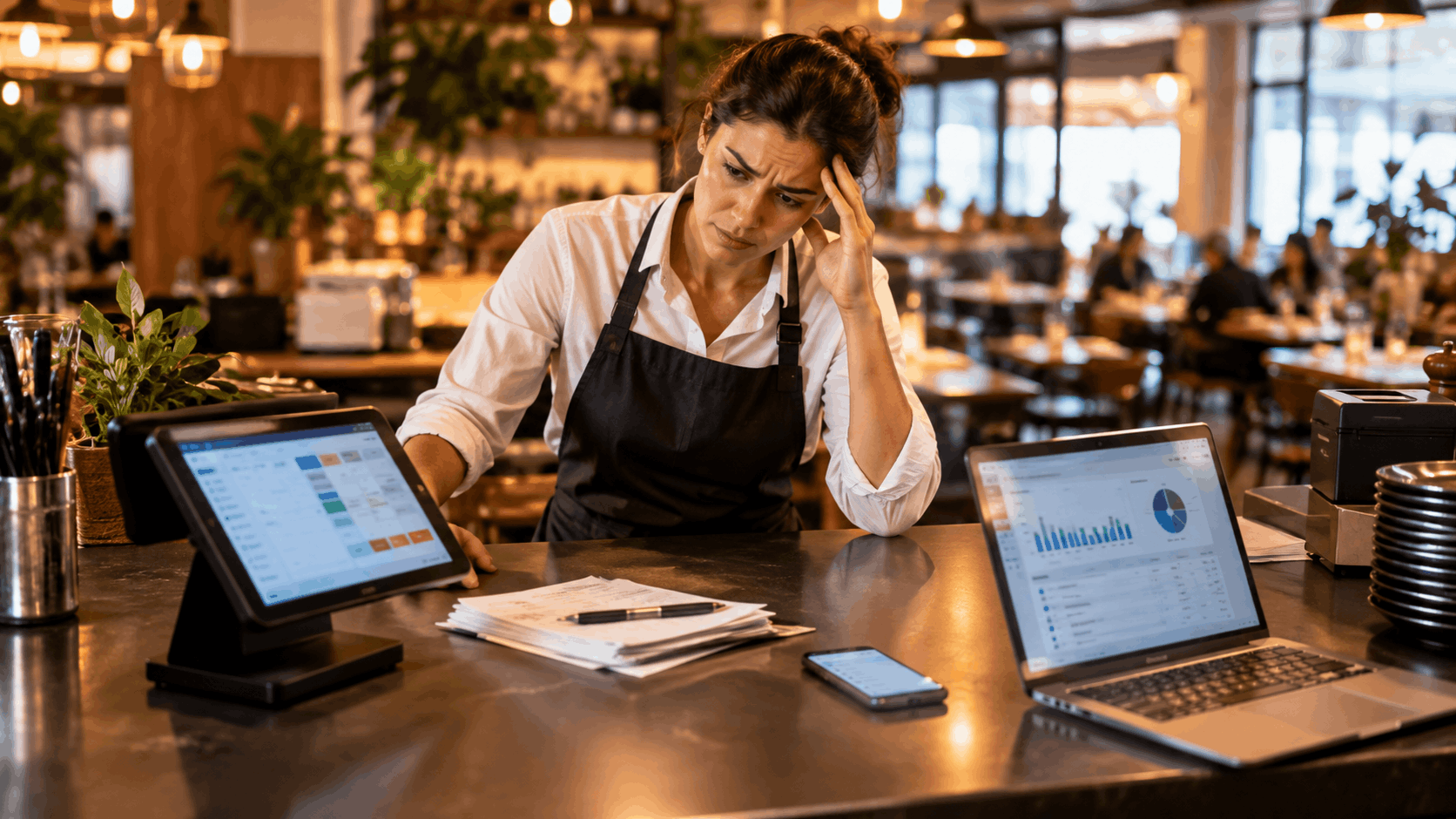
Every restaurant starts somewhere, often with a simple setup that gets the job done. But as your business grows, the tools that once felt sufficient can quietly start working against you. The tricky part is that this usually happens gradually, so it's easy to miss the signs until they're costing real time and money. Here are 8 clear signals that it's time to move to a restaurant management platform.
1. You're Using Separate Tools for Orders, Payments, and Kitchen Communication
If your POS, payment processing, and kitchen communication all run through different, disconnected tools, you're likely spending unnecessary time bridging the gaps between them. A properly connected system removes this friction entirely, since every part of the operation shares the same information by default.
2. Staff Are Manually Re-Entering the Same Information
Whether it's typing a delivery order into the POS by hand, or re-entering booking details from a separate reservation tool, repeated manual entry is a clear sign your current setup isn't communicating properly. Every manual re-entry is also a chance for something to be typed incorrectly.
3. You Have No Single View of How Your Restaurant Is Performing
If getting a clear picture of sales, staffing, and kitchen performance means checking three or four different dashboards, you're not getting the full value of your data. Good restaurant management software should bring reporting together in one place, so decisions can be based on a complete picture rather than fragments.
4. Reservations, Orders, and Payments Don't Talk to Each Other
A booking should flow naturally into a seated table, an order should flow into the kitchen, and a payment should tie back to the original order without extra steps. If these processes feel like separate jobs handled by separate systems, that disconnect is likely slowing down service more than anyone realizes.
5. Adding a New Location Feels Overwhelming
If expanding to a second or third location means setting up entirely new, disconnected systems rather than simply extending what you already have, your current setup wasn't built to scale. A true restaurant management platform should make growth easier, not harder.
6. Your Team Spends More Time Managing Software Than Serving Guests
When staff regularly get pulled away from guests to troubleshoot a tool, switch between logins, or manually reconcile information between systems, that's time taken directly away from service. Technology should reduce this kind of friction, not add to it.
7. You Can't Get a Clear Answer Without Checking Multiple Places
If answering a simple question, like "how many covers did we do last Friday" or "what's our best-selling item this month" requires pulling data from more than one system, that's a strong sign your tools aren't actually working together.
8. You're Paying for Multiple Subscriptions That Do Overlapping Jobs
It's common for restaurants to accumulate separate tools over time, one for reservations, another for reporting, another for loyalty, each with its own monthly cost. Beyond the financial cost, this fragmentation also means none of these tools share data with each other, which limits how useful any single one can be on its own.
What to Do If This Sounds Familiar
Recognizing several of these signs isn't a failure. It usually means your business has grown past what your original setup was designed to handle, which is a good problem to have. The key is addressing it before the inefficiencies start affecting guest experience or staff morale more seriously.
Moving to a connected restaurant management platform doesn't need to happen overnight. Start by identifying which pain point affects your team the most, whether that's reporting, reservations, or order flow, and prioritize a solution that solves it well while also covering the rest of your operation.
Final Thoughts
An all-in-one platform isn't just a nicer version of the tools you're already using. It removes the manual work, duplicated data entry, and fragmented reporting that come from running separate systems side by side. If several of these signs sound familiar, it's a strong indication that your restaurant has outgrown its current setup and could benefit from switching to connected restaurant management software.
If you're exploring what a more connected setup looks like, it's worth seeing how ERPFY's restaurant management platform brings orders, payments, kitchen, and reporting into one system.
Ready for a smoother shift?