
What Is a Restaurant Reservation System and How Does It Work?
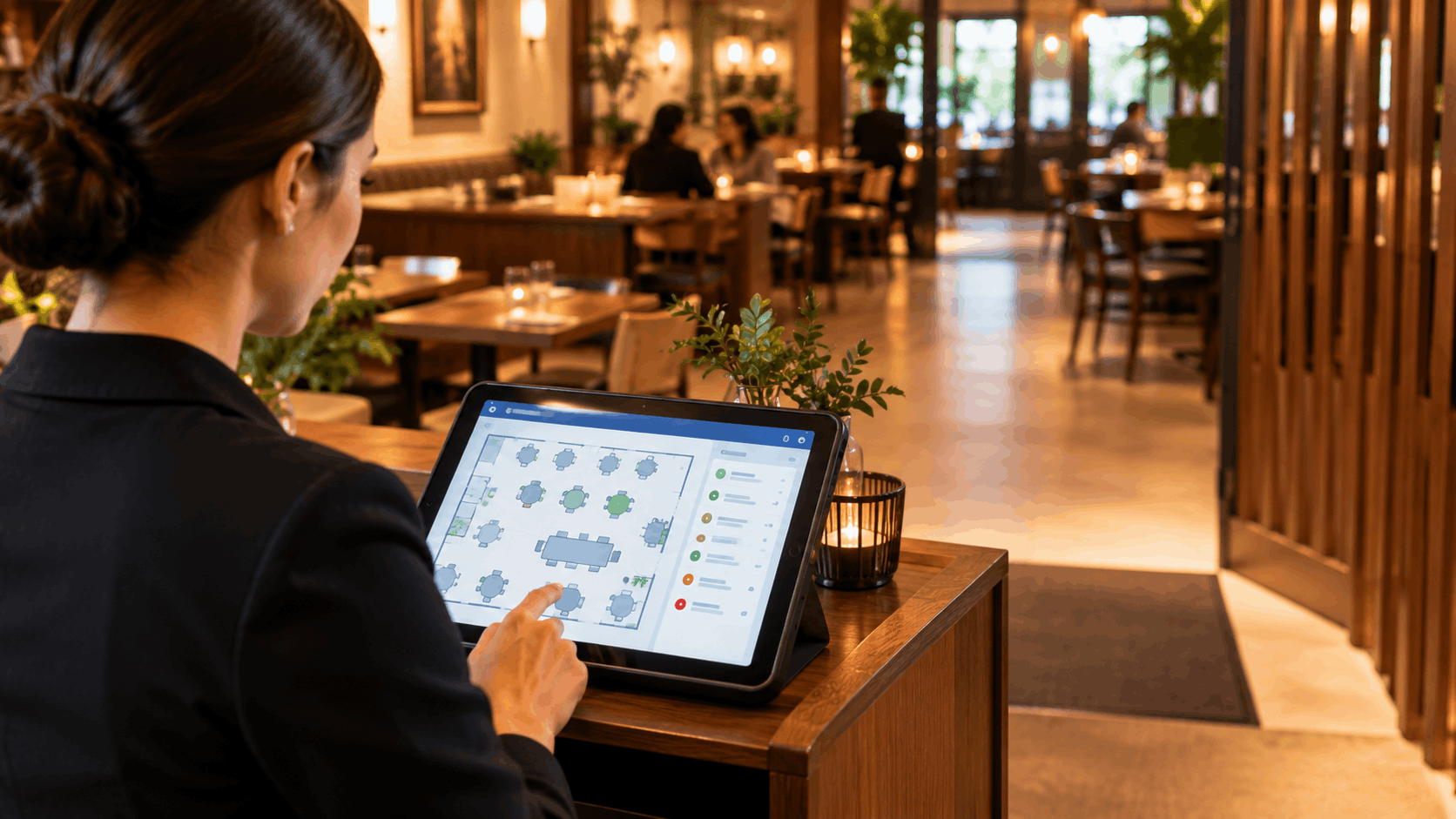
If you've ever tried to book a table at a busy restaurant, you've likely interacted with a restaurant reservation system without even thinking about it. But what actually happens behind the scenes when a booking is made, and how does it help restaurants manage their tables more effectively? Here's a clear breakdown for anyone looking to understand this piece of restaurant technology.
What Is a Restaurant Reservation System?
A restaurant reservation system is software that manages table bookings, from the moment a guest requests a reservation to the moment they're seated. Instead of relying on a paper diary or a simple phone log, it keeps track of table availability, guest details, and booking times in one organized place.
Many people use the term restaurant booking system interchangeably with reservation system, and functionally they mean the same thing: a tool that lets guests reserve a table in advance, while giving restaurant staff a clear view of who's coming in, when, and for how many people.
How Does a Restaurant Reservation System Work?
At its core, a reservation system works through a few key steps:
1. A Booking Request Comes In
This could happen online through a website, over the phone, or in person at the restaurant. Some systems also support bookings made through an AI voice agent, which can check availability and confirm details without a staff member needing to answer the call directly.
2. The System Checks Table Availability
Rather than manually checking a paper diary, the system automatically checks which tables are free at the requested time, based on table size, seating rules, and existing bookings.
3. The Reservation Is Confirmed
Once availability is confirmed, the booking is locked in, and guest details such as party size, contact information, and any special requests are attached to that reservation.
4. The Booking Appears on a Live Floor Plan
Staff can see exactly which tables are booked, which are available, and which are currently occupied, all updated in real time as the day progresses.
5. Walk-Ins and Waitlists Are Managed Alongside Bookings
A good reservation system doesn't just handle pre-booked guests. It also accounts for walk-ins and waitlists, fitting them into the same live view of table availability rather than treating them as a separate process.
Why Restaurants Use a Reservation System Instead of a Paper Diary
The shift away from paper booking books isn't just about convenience. It solves several practical problems:
- Fewer double bookings, since the system automatically checks availability instead of relying on manual cross-checking
- Better table utilization, since staff can see exactly how tables are being used throughout the shift
- Faster booking confirmation, without needing to flip through pages or call back later
- Clear guest history, so repeat visits and preferences aren't lost
- Reduced staff workload, since much of the checking and confirming happens automatically
How a Reservation System Fits Into Broader Restaurant Management Software
A reservation system rarely works best on its own. When it's part of a connected restaurant management software setup, bookings don't exist in isolation. This kind of connected setup means a reservation isn't just a note in a diary. It becomes part of the same operational picture that includes orders, kitchen activity, and service, giving staff a fuller view of the shift rather than a fragmented one.
Who Benefits Most From a Reservation System?
While any restaurant taking bookings can benefit, it becomes especially valuable for:
- Full-service restaurants managing multiple tables and time slots throughout the day
- Busy or high-demand venues where double bookings or overbooking are a real risk
- Restaurants handling a high volume of phone bookings, where manual logging is prone to error
- Multi-location restaurant groups wanting consistent booking management across every site
Key Features to Look for in a Reservation System
When evaluating a restaurant reservation system, it's worth checking for:
- A live, visual floor plan rather than a static list of bookings
- Automatic availability checks to prevent double booking
- Support for walk-ins and waitlists alongside scheduled reservations
- Flexible table rules, such as minimum party sizes or seating time limits
- Integration with phone and online booking channels, so every source feeds into the same system
Final Thoughts
A restaurant reservation system takes the guesswork and manual tracking out of managing bookings, giving staff a clear, real-time view of table availability, guest details, and the flow of service. Whether bookings come in online, by phone, or in person, the goal is the same: making sure every guest is seated smoothly, without double bookings or confusion at the host stand.
If you're exploring a reservation system for your restaurant, it's worth seeing how ERPFY's restaurant reservation system connects bookings, walk-ins, and your floor plan into one live view.
Have questions about how it fits your setup? Feel free to explore ERPFY's reservations and floor plan software or reach out through the contact page to talk it through with our team.
Ready for a smoother shift?